Rainy Season Electrical Safety: 5 Key Points to Inspect and Prevent Electrical Hazards
Last updated: 9 Nov 2026
27 Views
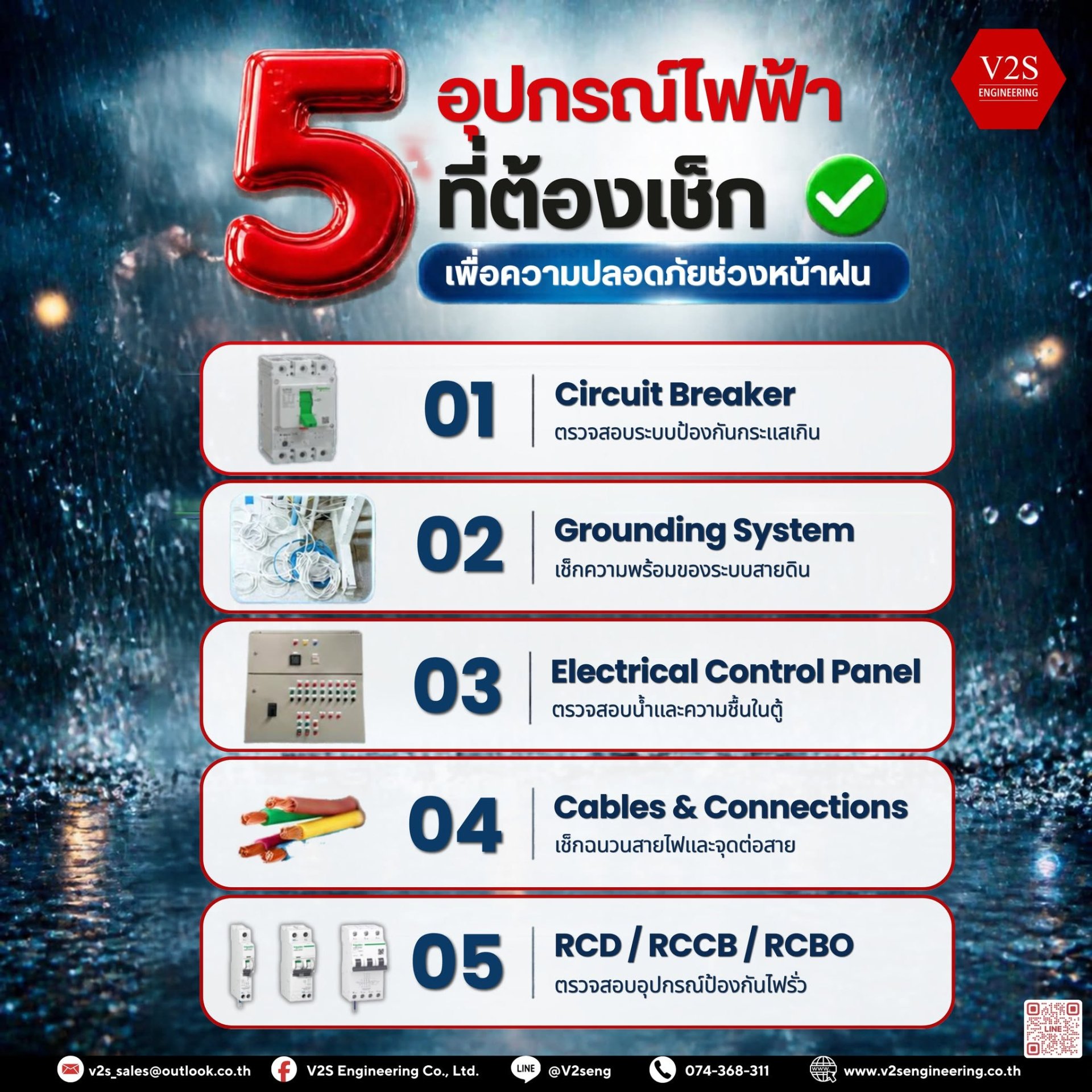
Rainy Season Electrical Safety: 5 Key Points to Inspect and Prevent Electrical Hazards
During the rainy season, frequent rainfall and high humidity can create additional risks for electrical systems. Water ingress and moisture exposure may affect electrical equipment, deteriorate insulation, cause electrical leakage or short circuits, and potentially damage electrical components.
Whether in residential buildings, office facilities, or industrial factories, regular electrical inspections and preventive maintenance are essential to reduce potential hazards and maintain reliable system operation.
5 Essential Electrical System Components to Inspect During the Rainy Season
1. Circuit Breaker – Overcurrent and Short-Circuit Protection
A Circuit Breaker is a protective device designed to interrupt electrical circuits when overcurrent or short-circuit conditions occur. It helps protect electrical wiring and equipment from potential damage.
What to inspect:
Check the circuit breaker for cracks or physical damage.
Inspect electrical connections for signs of overheating.
Verify that the current rating is suitable for the connected electrical load.
Investigate frequent circuit breaker trips before restoring operation.
2. Grounding System – Electrical Grounding Protection
A grounding system is an important part of electrical safety. It provides a designated path for fault current to flow to earth and helps protective devices operate properly when electrical faults occur.
What to inspect:
Check grounding conductors and connection points.
Inspect for corrosion or rust at grounding connections.
Measure grounding resistance according to applicable standards.
Verify electrical continuity throughout the grounding system.
3. Electrical Control Panel – Protection of Electrical Control Equipment
Electrical Control Panels serve as central points for controlling and distributing electrical power to various equipment. Water ingress, moisture, and dust accumulation inside control panels may cause corrosion, insulation deterioration, and equipment malfunction.
What to inspect:
Check for signs of water leakage around the control panel.
Inspect door seals and cable entry points.
Look for moisture, condensation, and corrosion inside the enclosure.
Verify that the IP Rating is appropriate for the installation environment.
4. Cables & Connections – Electrical Wiring and Connection Points
Electrical cables and connections are essential components of power distribution systems. Damaged cable insulation or loose electrical connections may increase the risk of electrical leakage, overheating, and short circuits, particularly in areas exposed to water or moisture.
What to inspect:
Check cable insulation for cracks or physical damage.
Inspect terminal connections for proper tightness.
Look for signs of corrosion or deterioration.
Verify that cables are properly routed and protected from water exposure.
5. RCD / RCCB / RCBO – Residual Current Protection Devices
Residual Current Devices detect abnormal residual current and disconnect the electrical supply when leakage conditions meet their operating thresholds. They help reduce the risk of electric shock and improve electrical safety.
The main device types include:
RCD: A general term for residual current protection devices.
RCCB: Provides residual current protection but generally does not include built-in overcurrent protection.
RCBO: Combines residual current protection with overcurrent and short-circuit protection in one device.
What to inspect:
Check the physical condition and installation of the devices.
Test operation using the TEST button according to the manufacturer's instructions.
Verify that the residual current sensitivity is appropriate for the application.
Arrange periodic inspections by qualified electrical personnel.
Electrical Safety Tips During the Rainy Season
In addition to inspecting these five essential components, consider the following preventive measures:
Protect electrical panels and equipment from rainwater and moisture.
Inspect roofs, walls, and nearby areas for potential water leakage.
Ensure that electrical protection devices are in proper working condition.
Establish regular electrical inspection and preventive maintenance schedules.
If abnormalities are detected, isolate the affected area safely and arrange an inspection by qualified personnel.
Important Electrical Safety Notice
If water enters an electrical panel, electrical equipment is exposed to flooding, or moisture is found inside electrical devices, do not touch the equipment, open the panel, or attempt to restore power yourself. Qualified personnel should safely isolate the power supply, inspect the affected equipment, and confirm that the system is safe before restoring electrical power.
V2S Engineering – Your Partner in Automation
Electrical safety starts with selecting suitable equipment, ensuring proper installation according to applicable standards, and performing regular inspection and preventive maintenance.
V2S Engineering supports Electrical & Industrial Automation applications with products and solutions from leading brands, together with consultation on electrical equipment and industrial control systems.
V2S Engineering – Your Partner in Automation
For more information about our products and services:
LINE: @v2seng
Email: v2s_sales@outlook.co.th
Head Office: +66 74 368 311, +66 82 732 0171
Surat Thani Branch: +66 77 945 337
YouTube: V2S Engineering
Related Content

A Smart Factory integrates machines, production systems, and real-time data to improve efficiency, reduce costs, and enable data-driven decision-making. Discover how Smart Factory technology is transforming manufacturing and why it has become a key strategy for Industry 4.0.
16 Jul 2026
Modern manufacturing requires reliable automation systems to improve productivity, reduce downtime, and enhance production efficiency. Pneumatic technology remains one of the most important foundations of industrial automation.
As an official FESTO distributor, V2S Engineering supplies genuine FESTO products and complete industrial automation solutions for manufacturers across Southern Thailand. Our experienced engineering team provides product selection, technical consultation, system design, and after-sales support.
7 Aug 2026
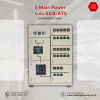
V2S Engineering provides design, manufacturing, and assembly services for Main Power ACB-ATS panels for electrical systems with two power sources. Our process covers customer-specific design, drawing review and approval, equipment installation, busbar fabrication, ATS control wiring, and final quality inspection by our QC team before delivery.
20 Oct 2026
